Western Sichuan · On-road · Rental or own bike
Fourteen days through the monastery heartland of Kham and Amdo - five schools of Tibetan Buddhism and a Bön seat, the great printing house at Dege, twenty thousand nuns at Yarchen Gar, and pandas on the way home.
The ride
This is the ride for people who want the culture as much as the road. Western Sichuan - Kham and the southern edge of Amdo - holds a density of living Tibetan Buddhism you will not find anywhere else, and this loop threads through it for twelve riding days without ever entering the Tibet Autonomous Region, so no Tibet permit is required.
Five schools appear along the way - Gelug, Nyingma, Jonang, Kagyu and Sakya - plus the Bön seat at Nangshig, one of the largest in China. You reach the Dege Printing House, still producing woodblock scripture and often called the encyclopaedia of Tibetan culture, and Yarchen Gar, where around twenty thousand nuns live and meditate on a river island at 4,000 m.
The last three days turn for home through Tagong beneath Zhara Lhatse, the thousand-year block towers at Suopo and the Gyarong village of Jiaju, then over Balang Shan to the panda base at Wolong. Private tour with a Tibetan tour guide and a support vehicle.
Where it goes, and how high you sleep
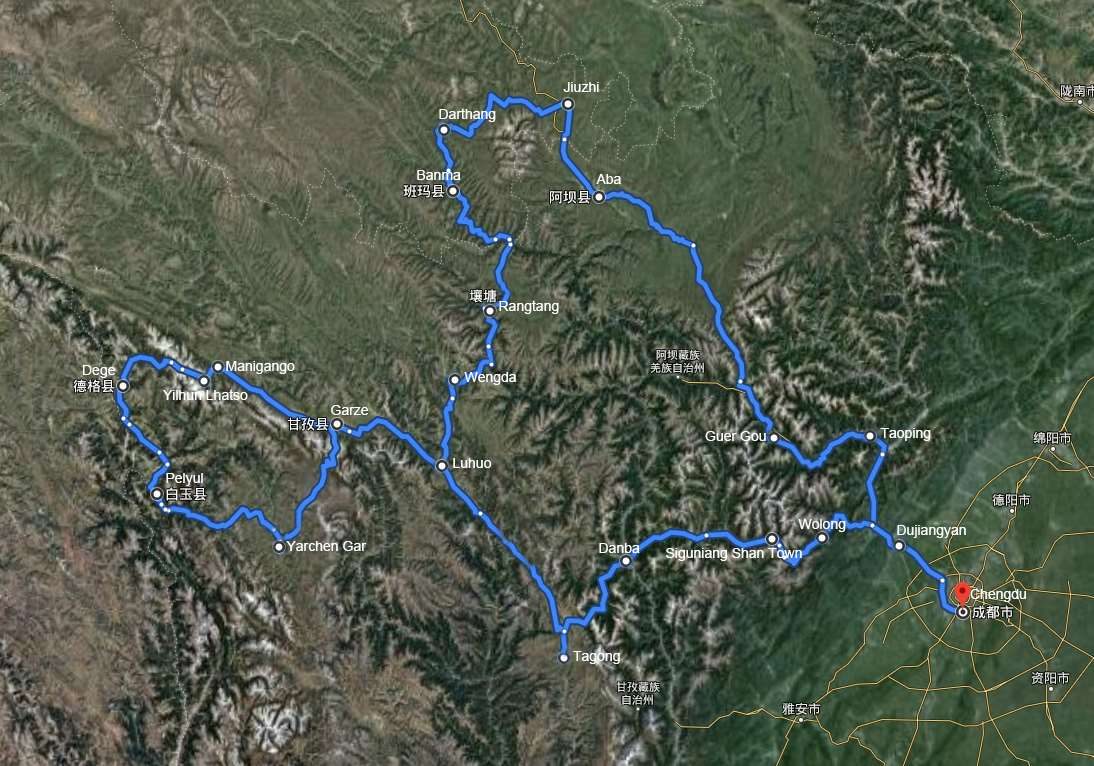
The blue line is the road as actually ridden. Click a stop to open its day.
Arrive Chengdu
Arrive in Chengdu, capital of Sichuan and home of the panda. In the afternoon, the Wide and Narrow Alleys - Manchurian garrison lanes from 1718, now teahouses and courtyards - then a covered-bowl tea in the People’s Park, in a bamboo chair, the way Chengdu has always done it.
Medical · motorcycle license
A short physical examination at the hospital in the morning, and your temporary Chinese driving license issued. The rest of the day is yours.
Chengdu → Taoping → Gu’er Gou
Collect the bike and ride for the Qiang stockaded village of Taoping (1,528 m). The Qiang came down to the Min valley more than two thousand years ago and built stone houses and watchtowers without plans or blueprints - arranged as an eight-trigram battle array, and still standing after centuries of earthquakes. On to Gu’er Gou at 2,279 m.
Gu’er Gou → Aba
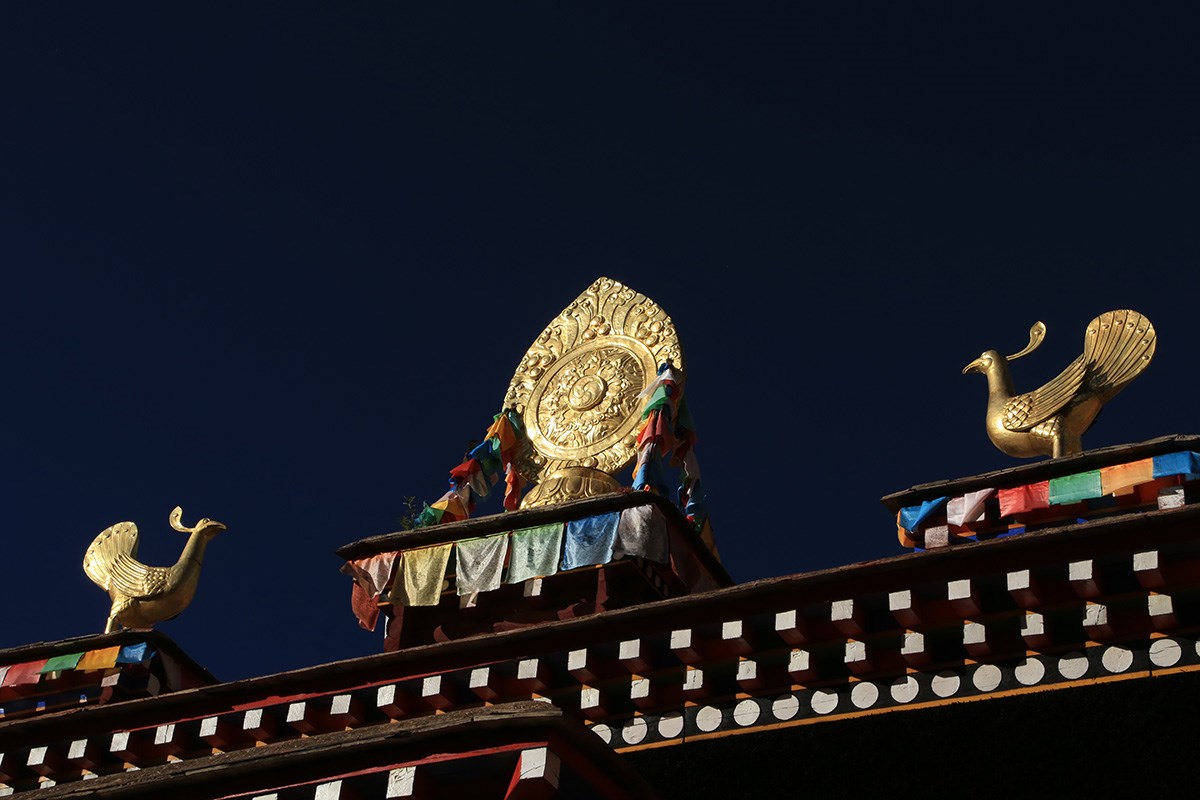
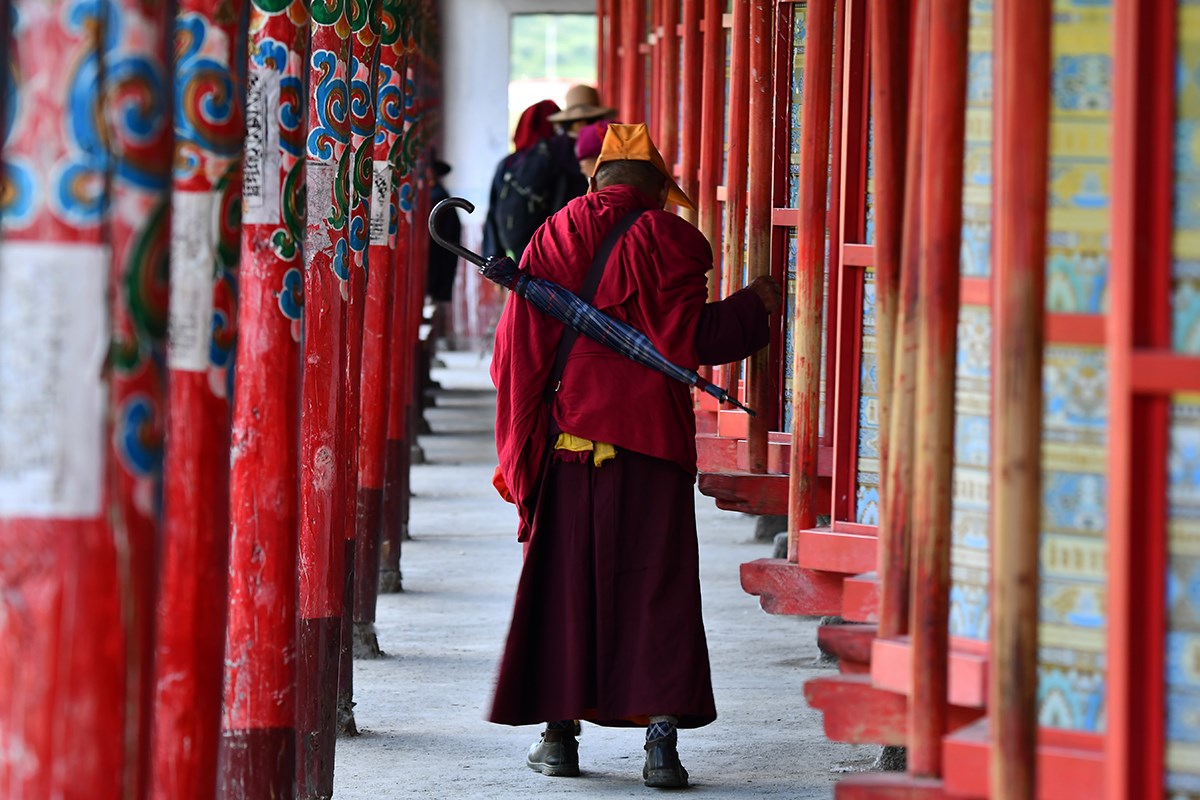
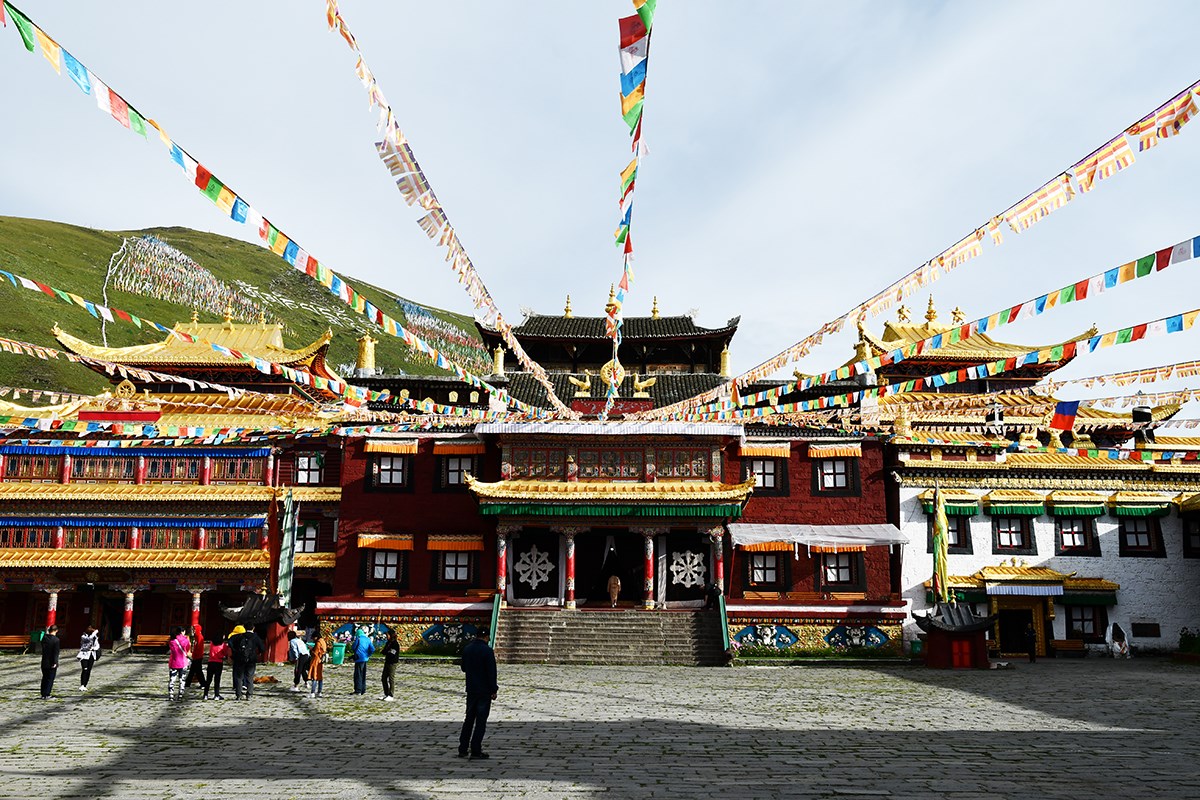
North to Aba at 3,290 m, where every school of Tibetan Buddhism coexists. Nangshig Monastery, founded in 1107, is one of the largest Bön monasteries in China. Then Jomo Gompa, a Gelug nunnery built in 1894 on Mami mountain - the biggest of its kind in the Amdo-Kham region.
Aba → Bangtuo → Rangtang
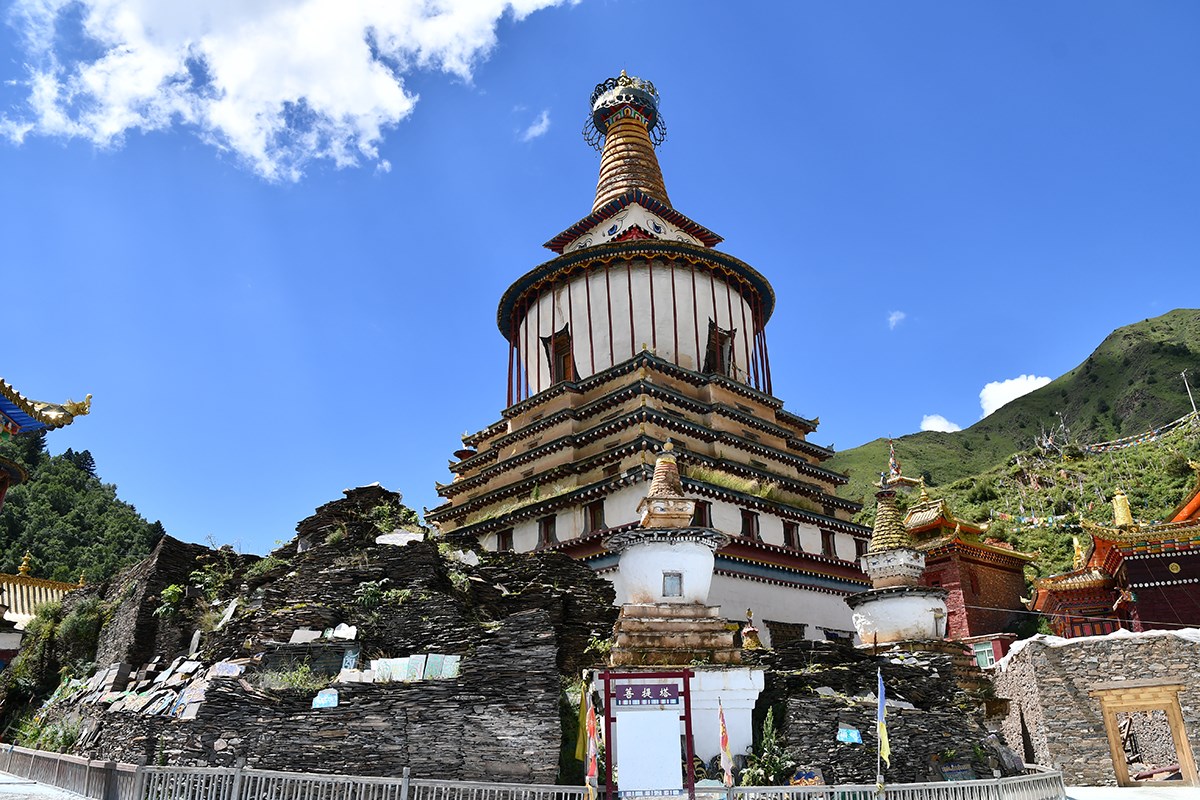
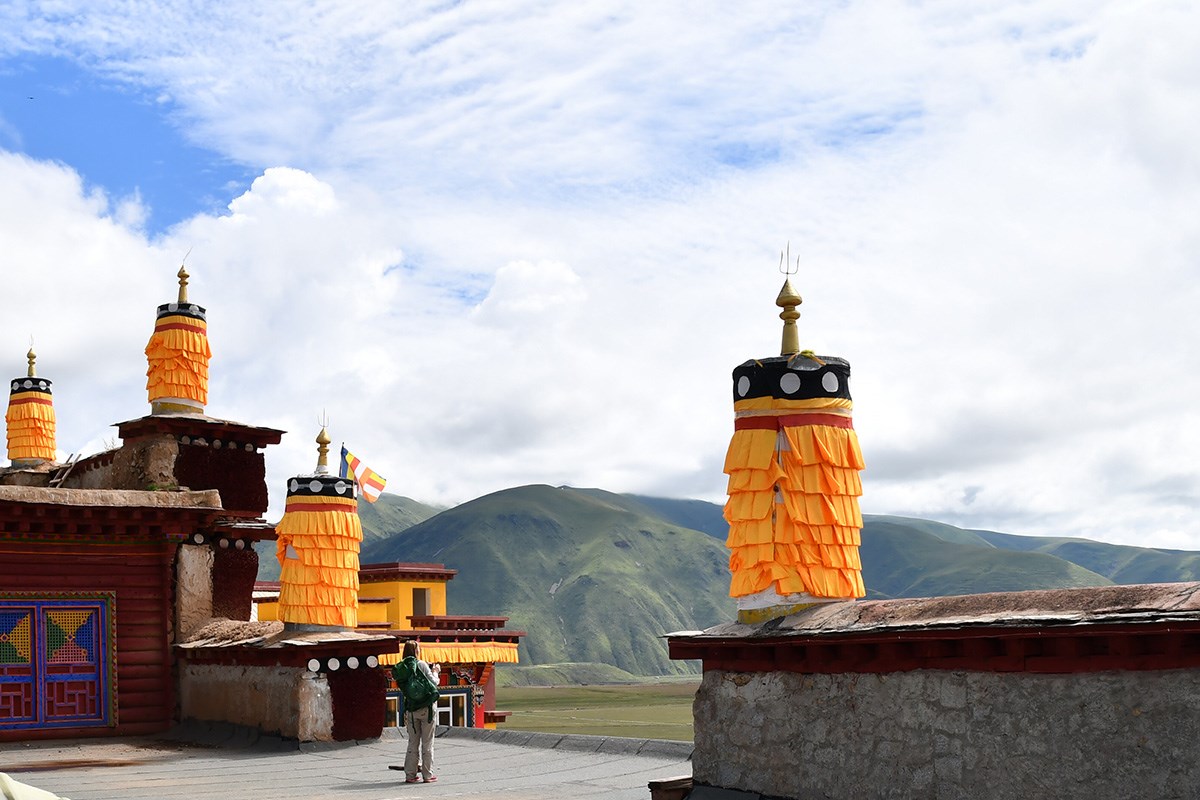
A shorter day. Bangtuo Monastery of the Nyingma school, famous for its ranks of chörten built between the 17th century and 1910 - the oldest dates from 1618 and shelters 17th-century murals. Then Rangtang (Dzamthang), principal institution of the Jonang school.
Rangtang → Wengda → Luhuo
South-west to Luhuo at 3,250 m by way of Wengda, stopping at Sirin Kar Monastery (Zengke Si) of the Kagyu school. A quiet, beautiful riding day.
Luhuo → Garze → Manigango → Yilhun Lhatso → Dege
The big day. Kasa Lake and Dargye Monastery, Gelug, founded 1642. Past Manigango (3,866 m) to Yilhun Lhatso at 4,017 m below Chola Mountain - spruce, fir and azalea round a lake fifteen meters deep, with white-lipped deer in the reserve. Through the Chola tunnel, the rock-carved frescoes at Keluodong, and down into Dege.
Dege → Pelyul
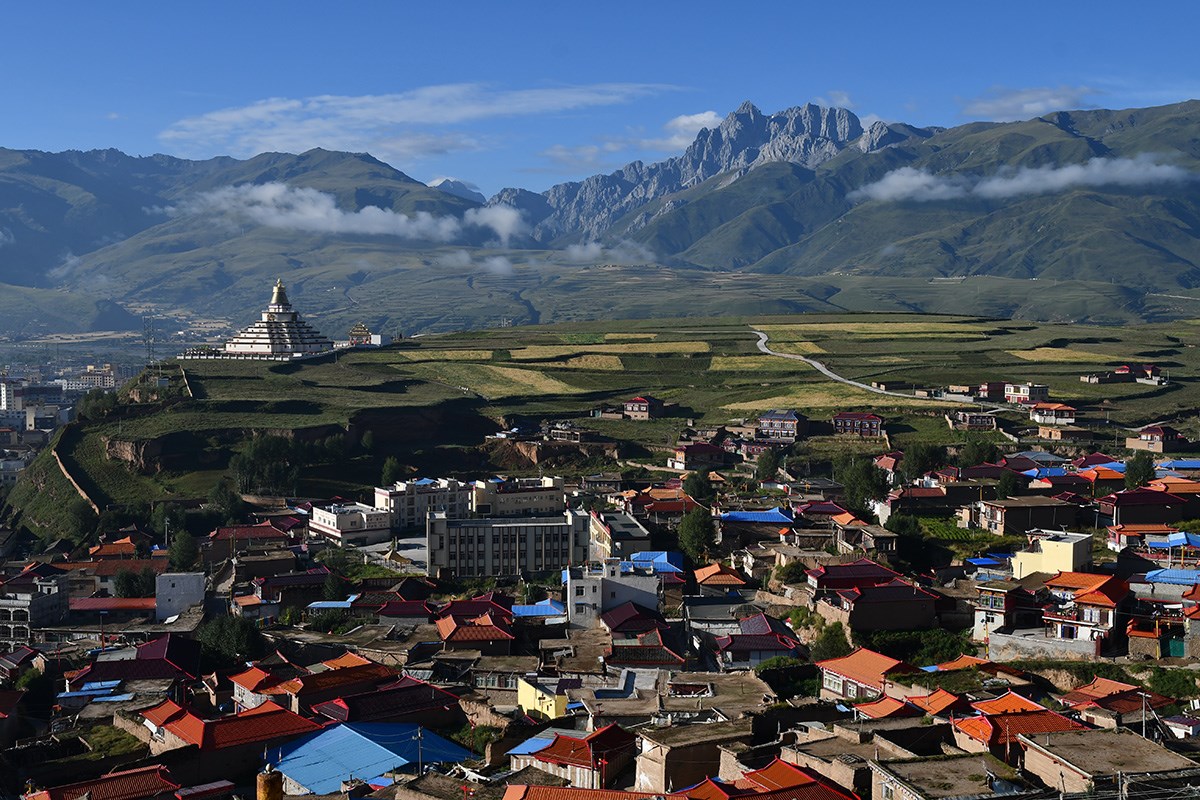
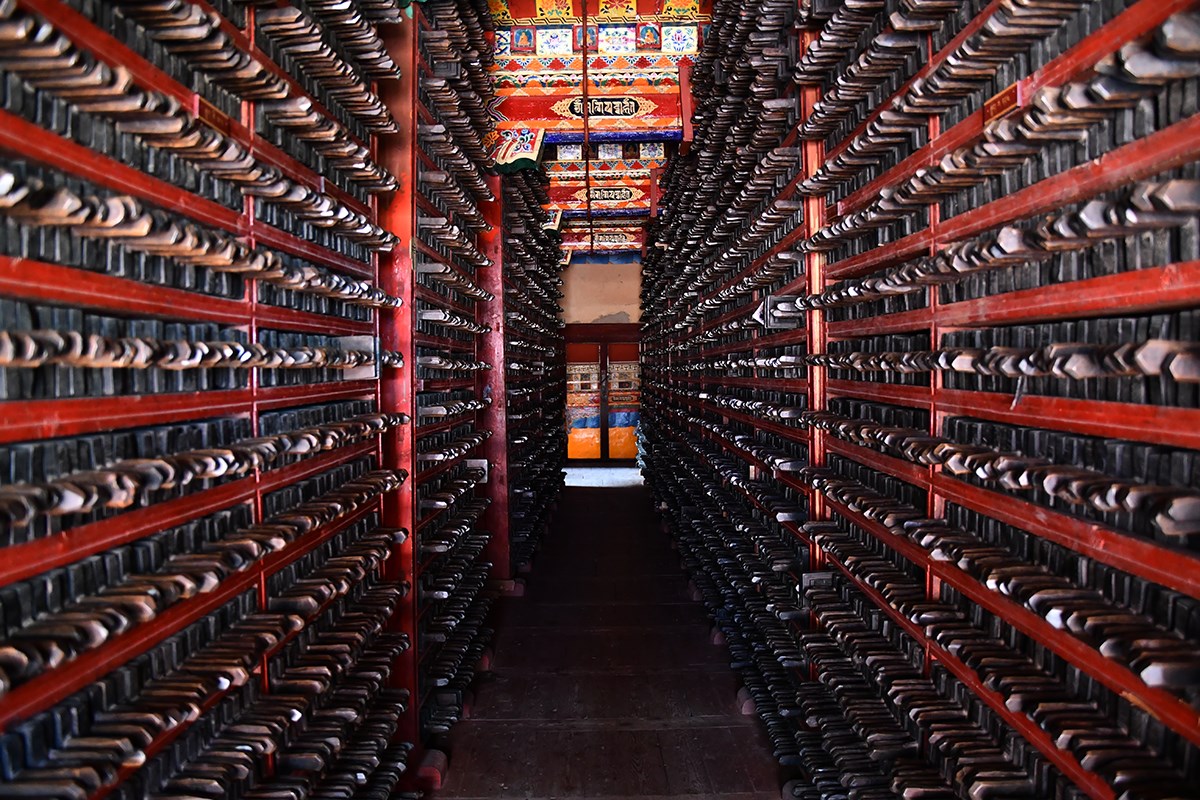
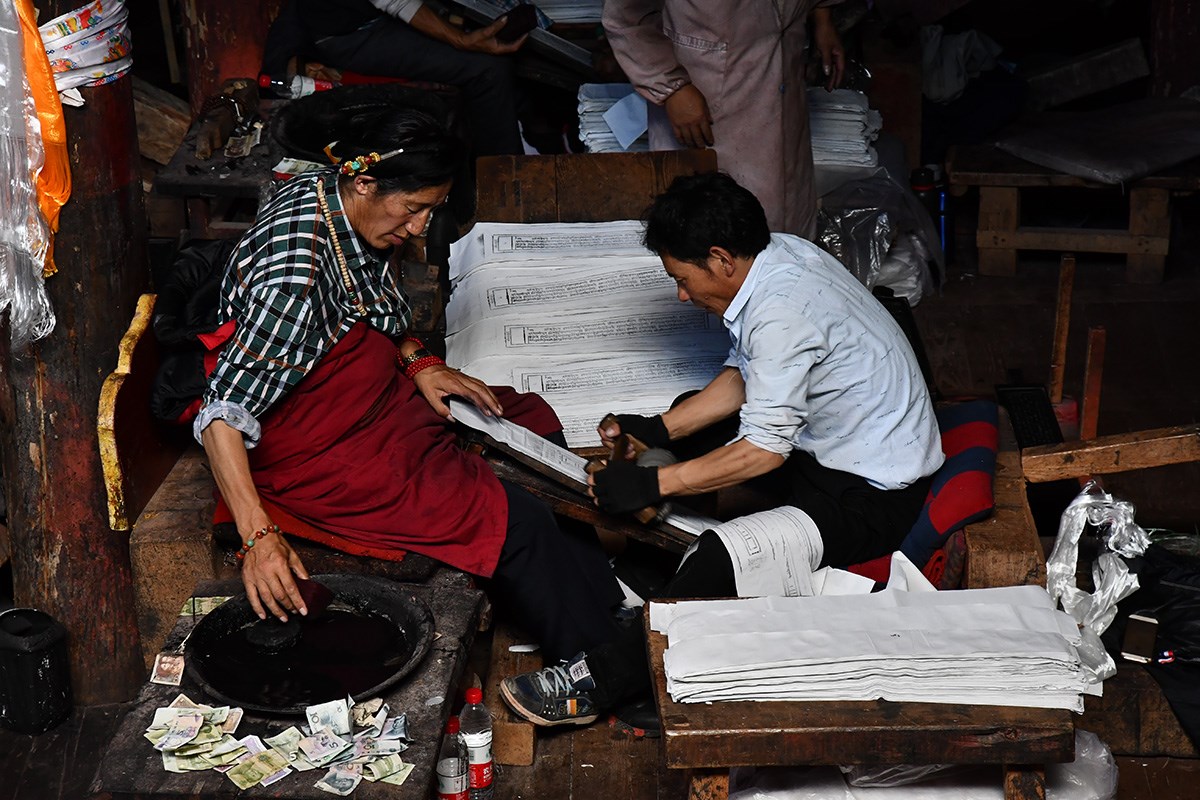
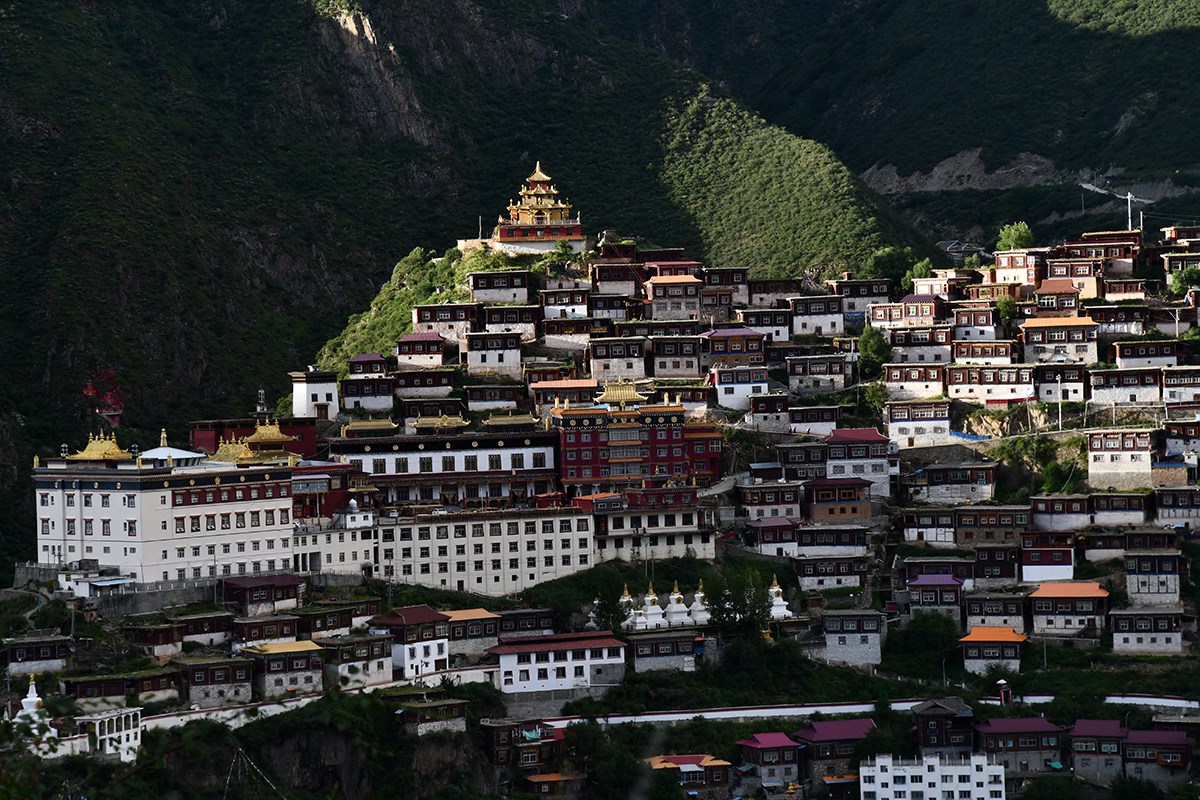
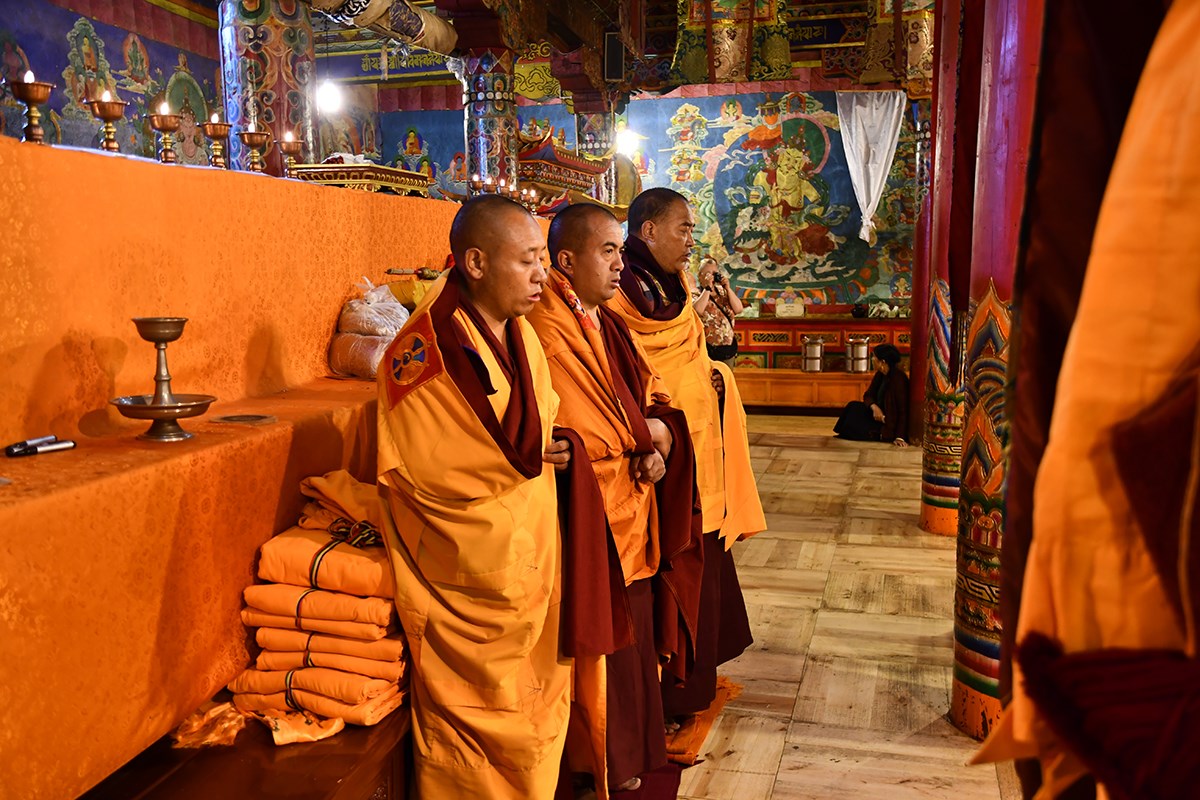
The Dege Printing House in the morning - the largest in the Tibetan world, still printing scripture from woodblocks, and known as the encyclopaedia of Tibetan culture. Then Dege Gonchen, a Sakya monastery of 1448 where some three hundred monks live. In the afternoon a short ride to Pelyul and its great Nyingma monastery, best seen in panorama from the hillside.
Pelyul → Yarchen Gar → Garze
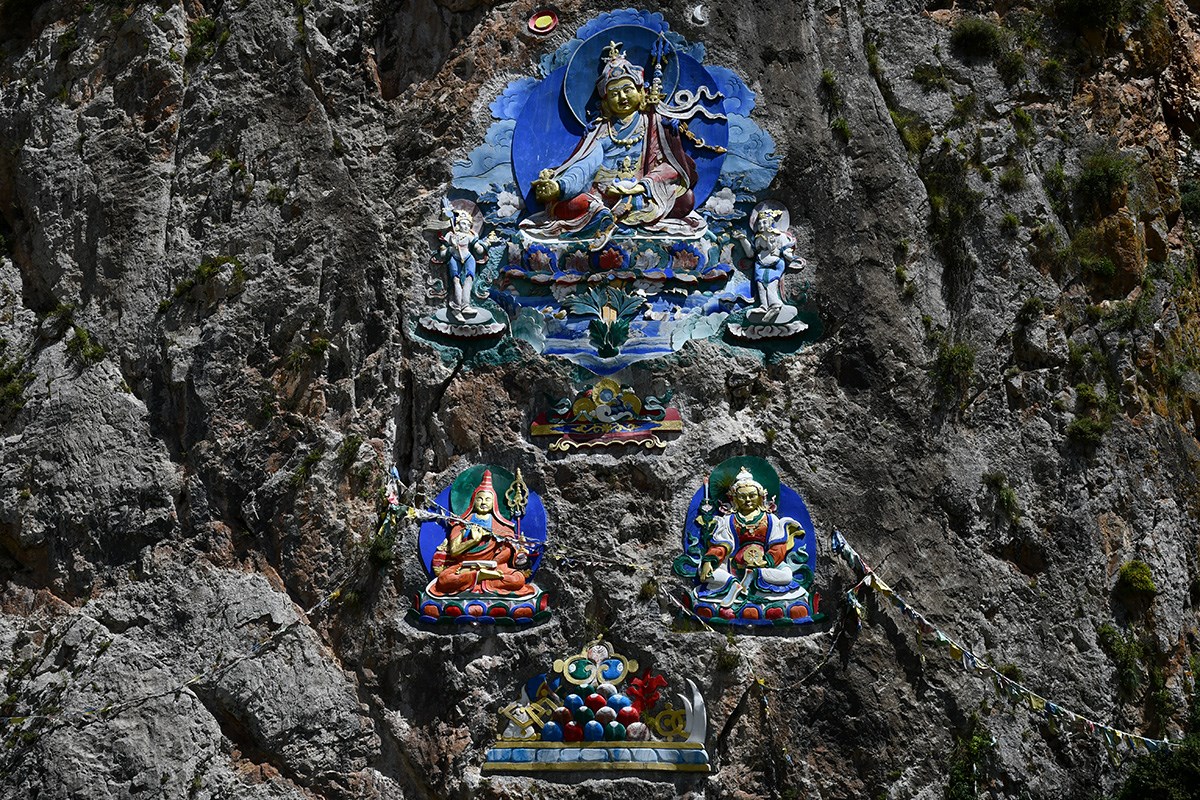
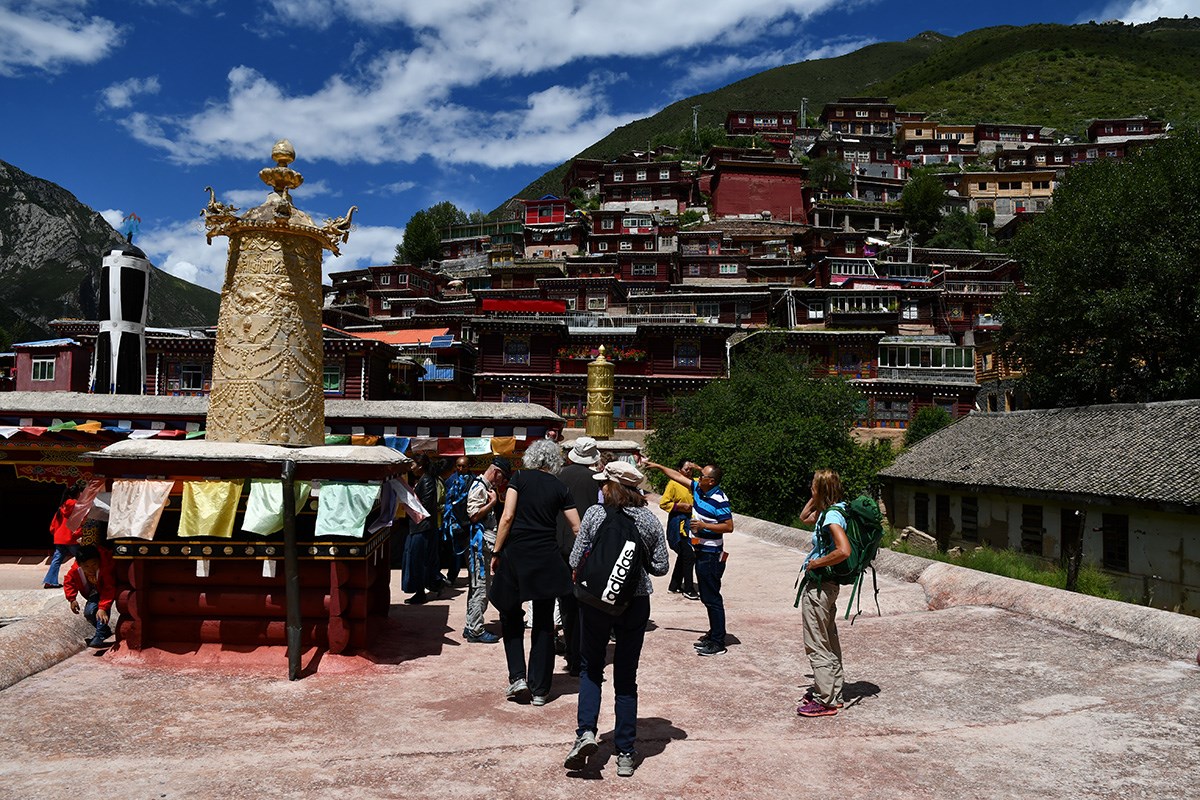
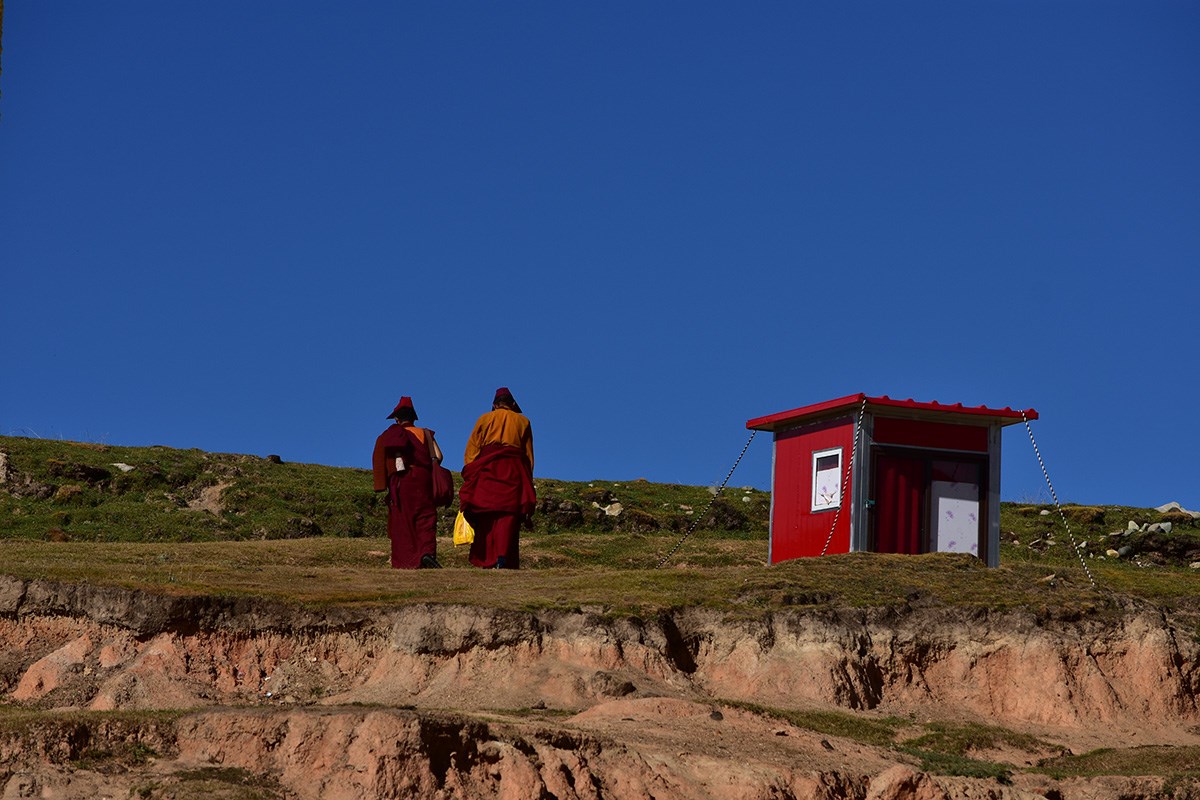
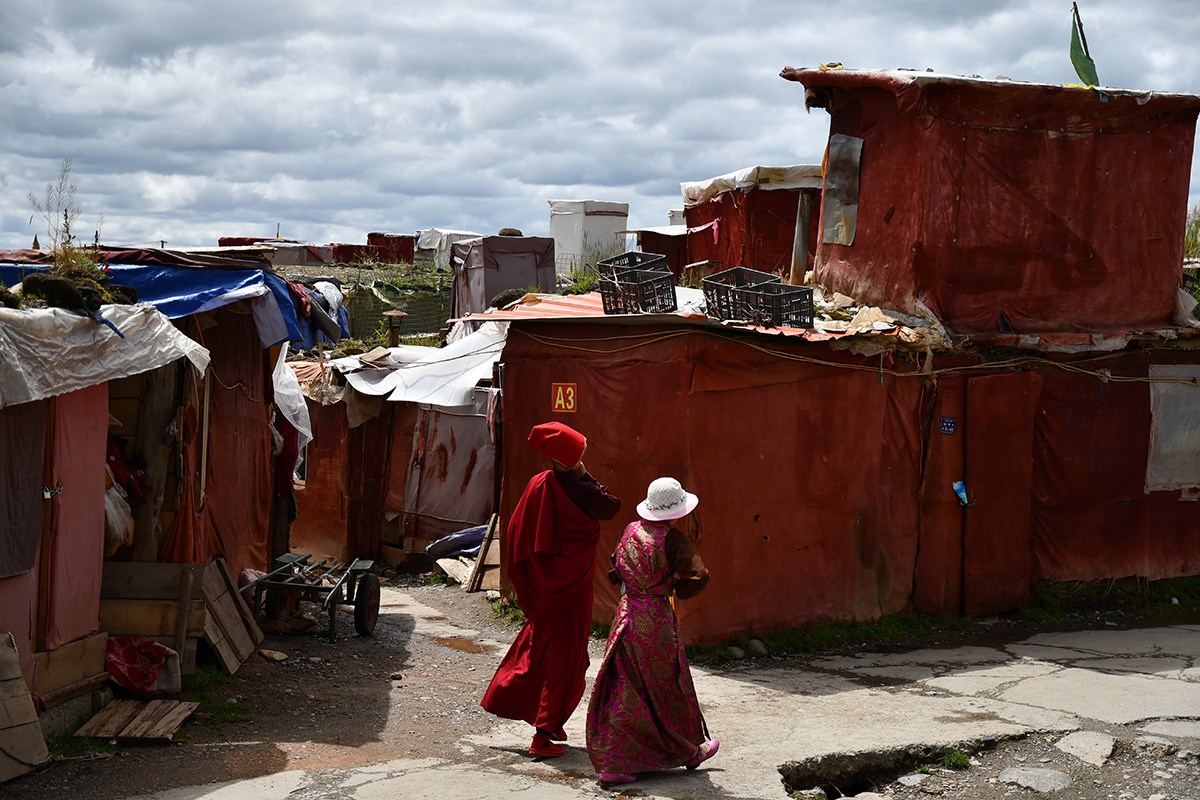
Yarchen Gar, at 4,000 m - around twenty thousand nuns living, studying and meditating on a river island, the largest place of its kind for women anywhere. Walk up to the Padmasambhava statue for the view over Juemu Island, then down among the wooden meditation huts. On to Garze and the Han-Chinese Monastery of 1274, the oldest building in the town.
Garze → Tagong
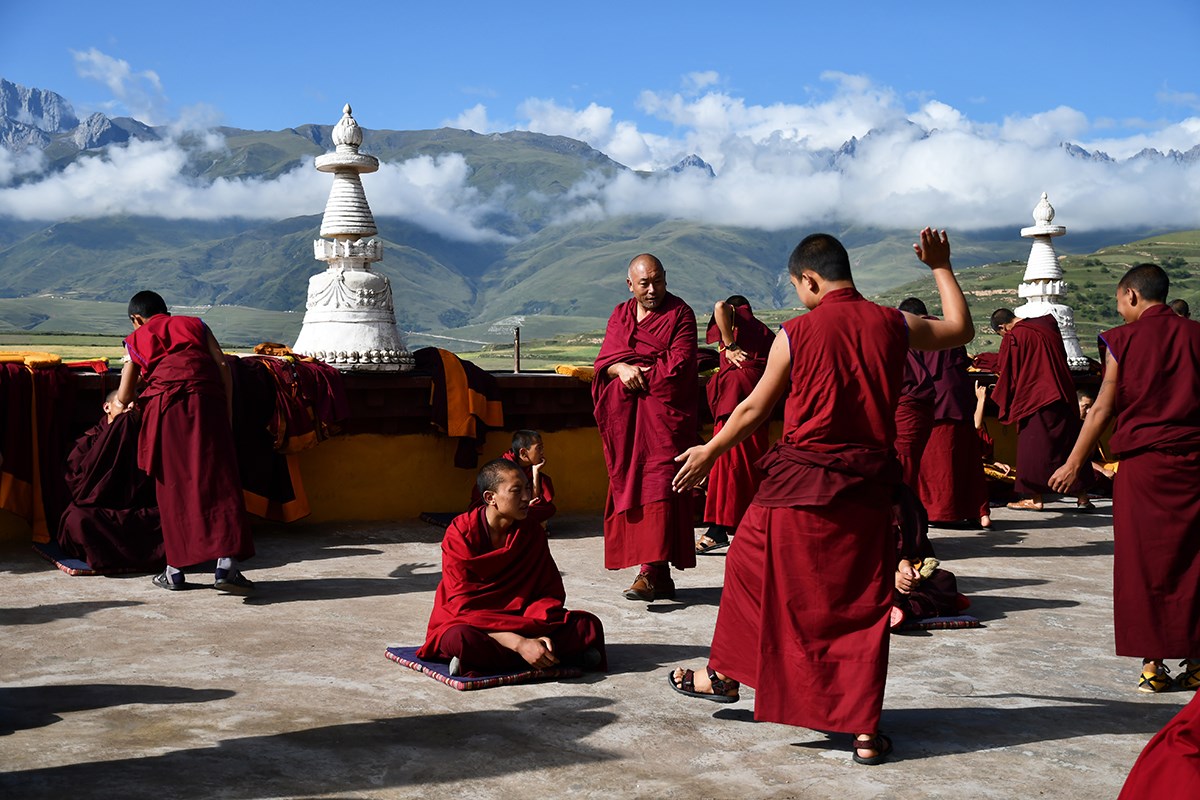
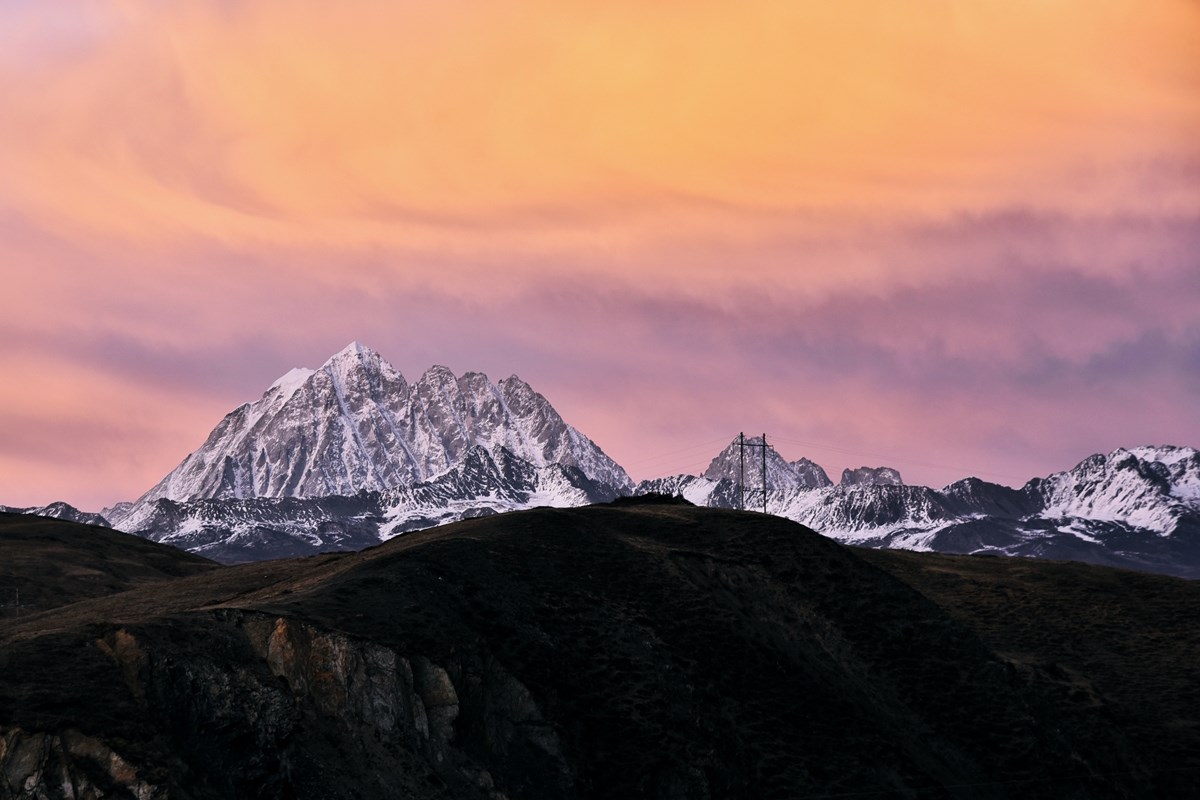
The monks of Garze Monastery, built by the Qosot Mongols in 1662, debate at around nine in the morning for some forty minutes. Then south to Tagong and the Sakya monastery of Lhagang, ringed by three hills. From beside the Muya golden pagoda, Zhara Lhatse (5,820 m) at sunset.
Tagong → Gyergo → Suopo → Danba
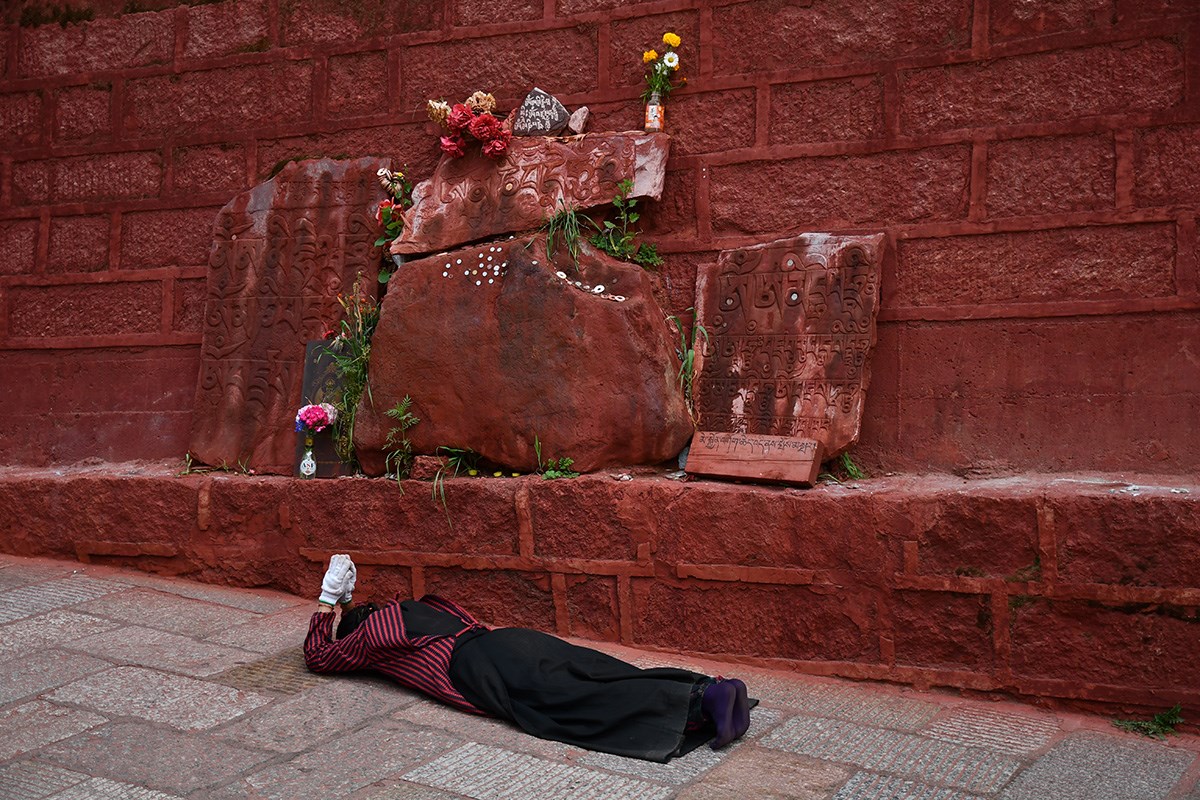
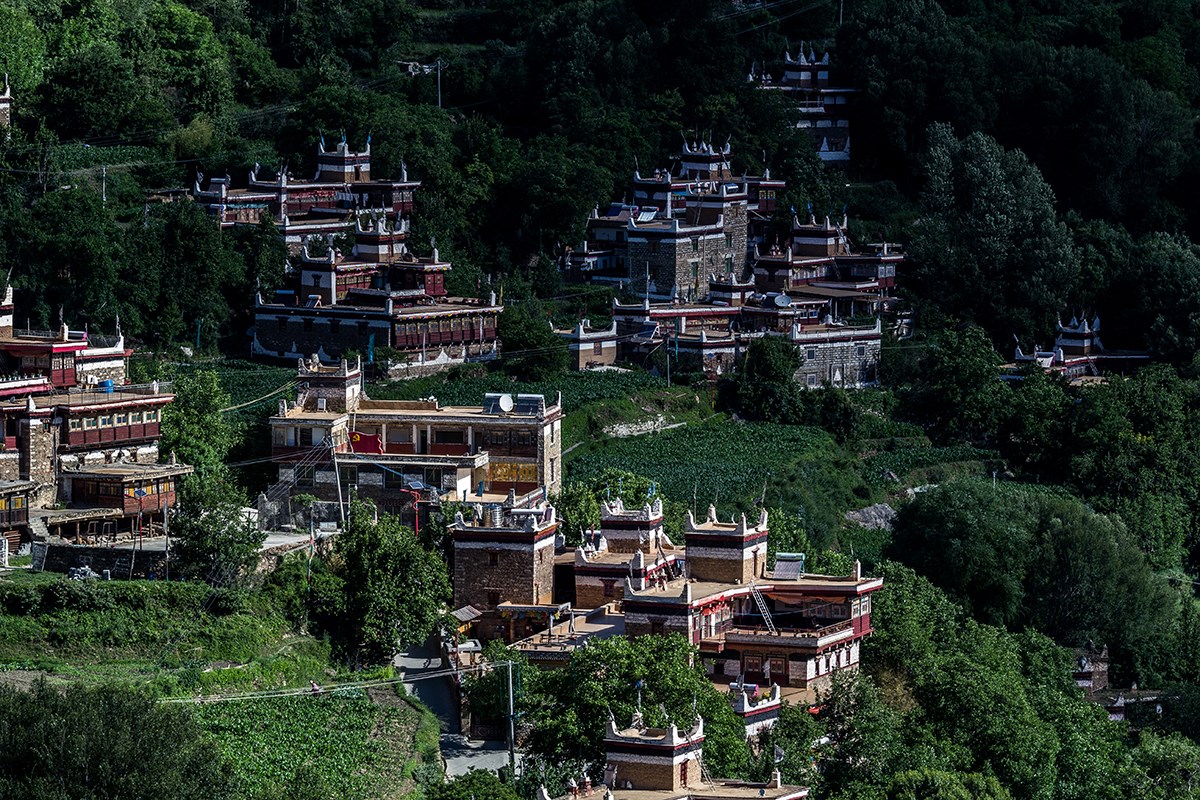
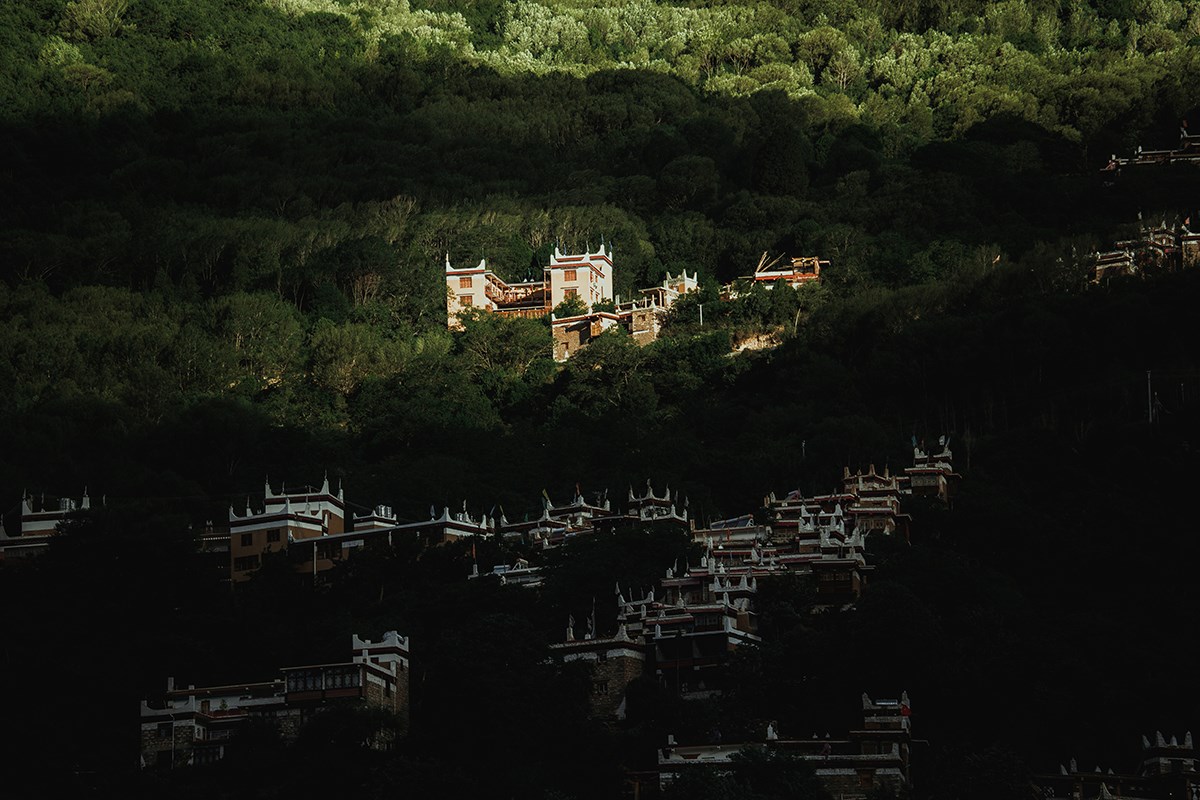
Yala at sunrise if the sky is clear, then Gyergo Nunnery and the great mani wall of Hepingfahui. Down the Yak valley to Danba, home of the Gyarong Tibetans - the thousand-year clay-and-stone towers at Suopo, and Jiaju, called the most beautiful village in China, its red, white and black houses scattered up the valley side.
Danba → Wori Tusi Manor → Siguniang Shan
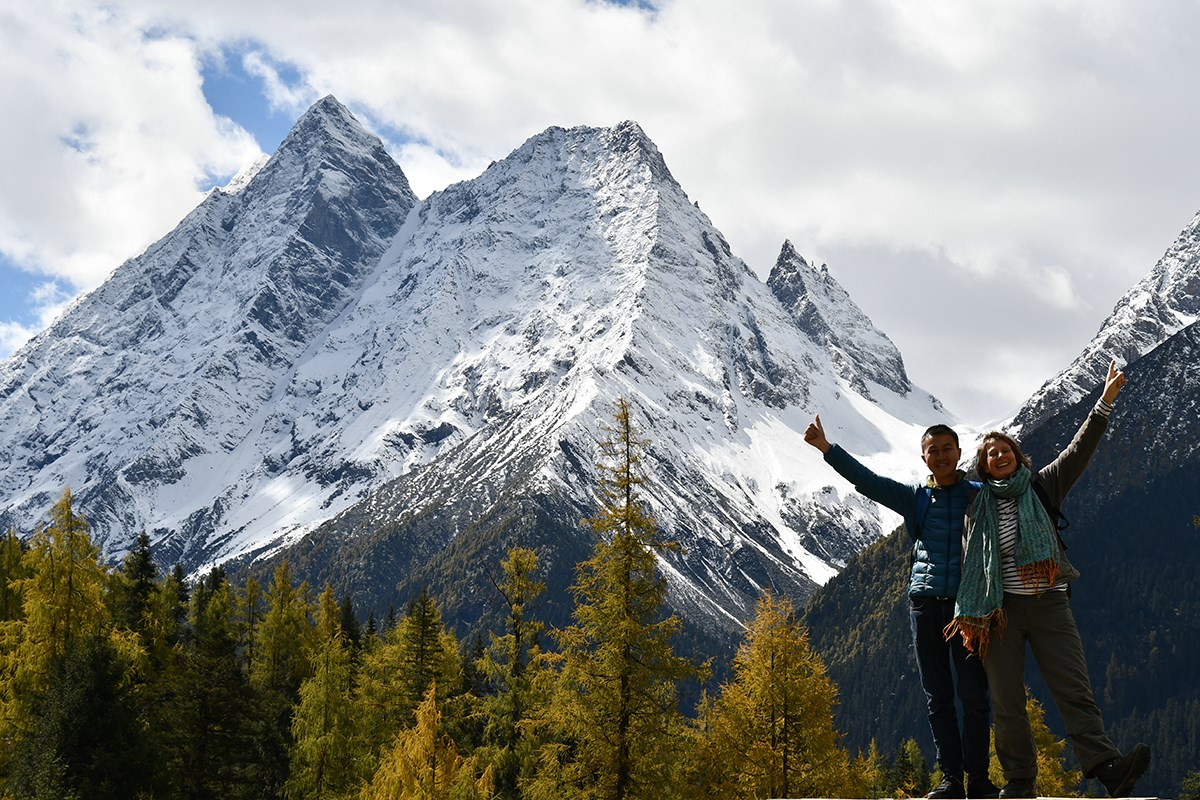
Past the Wori Tusi Manor, seat of a local chieftain, and up to Siguniang Shan town. The Four Sisters mountain carries four peaks above 5,000 m; the highest, Yaomei Feng at 6,250 m, is called the queen of Sichuan’s peaks. A soft hike in the Shuangqiao valley, and the full panorama from Maobiliang at sunset.
Siguniang Shan → Balang Shan → Wolong → Chengdu
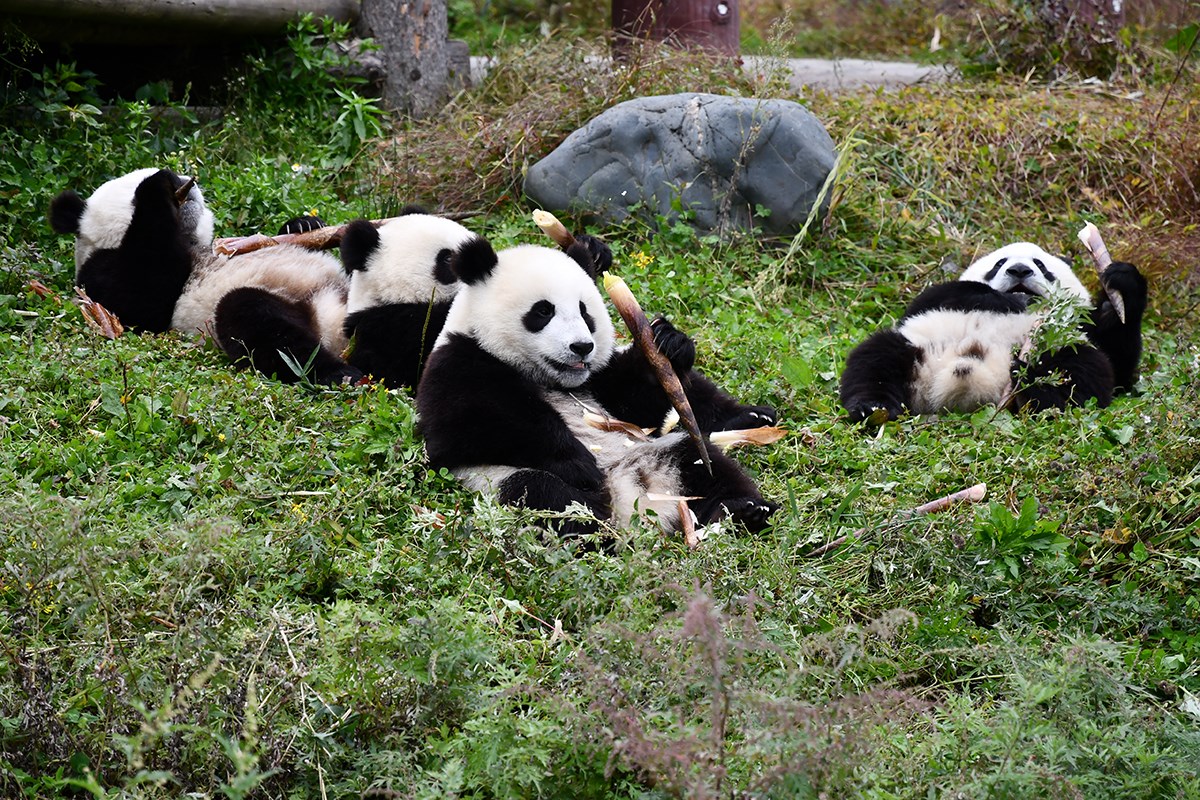
Sunrise over Siguniang from Maobiliang for the early risers, then through the Balang Shan tunnel into the Wolong National Nature Reserve - 200,000 hectares, a UNESCO biosphere reserve. The Shenshuping base holds around fifty giant pandas and is the largest breeding center in the world. Into Chengdu late afternoon; the bike goes back.
The fine print, in plain words
See it to believe it
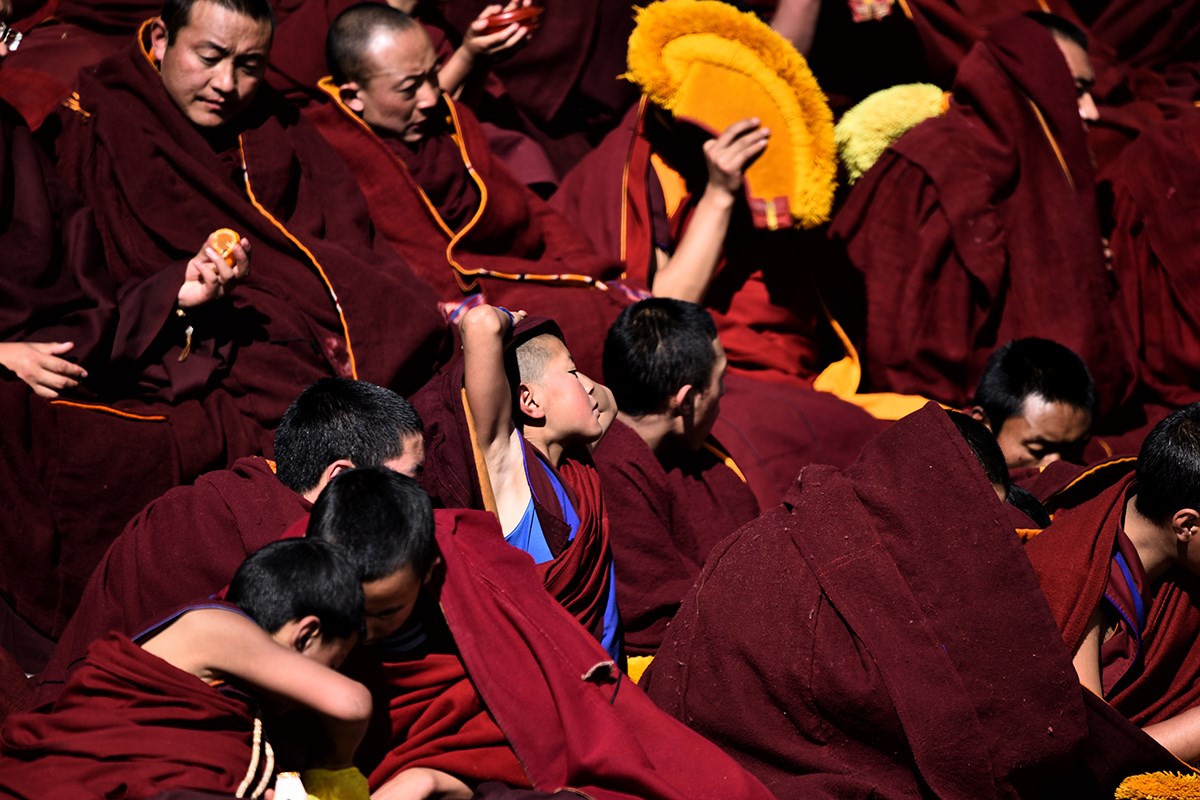
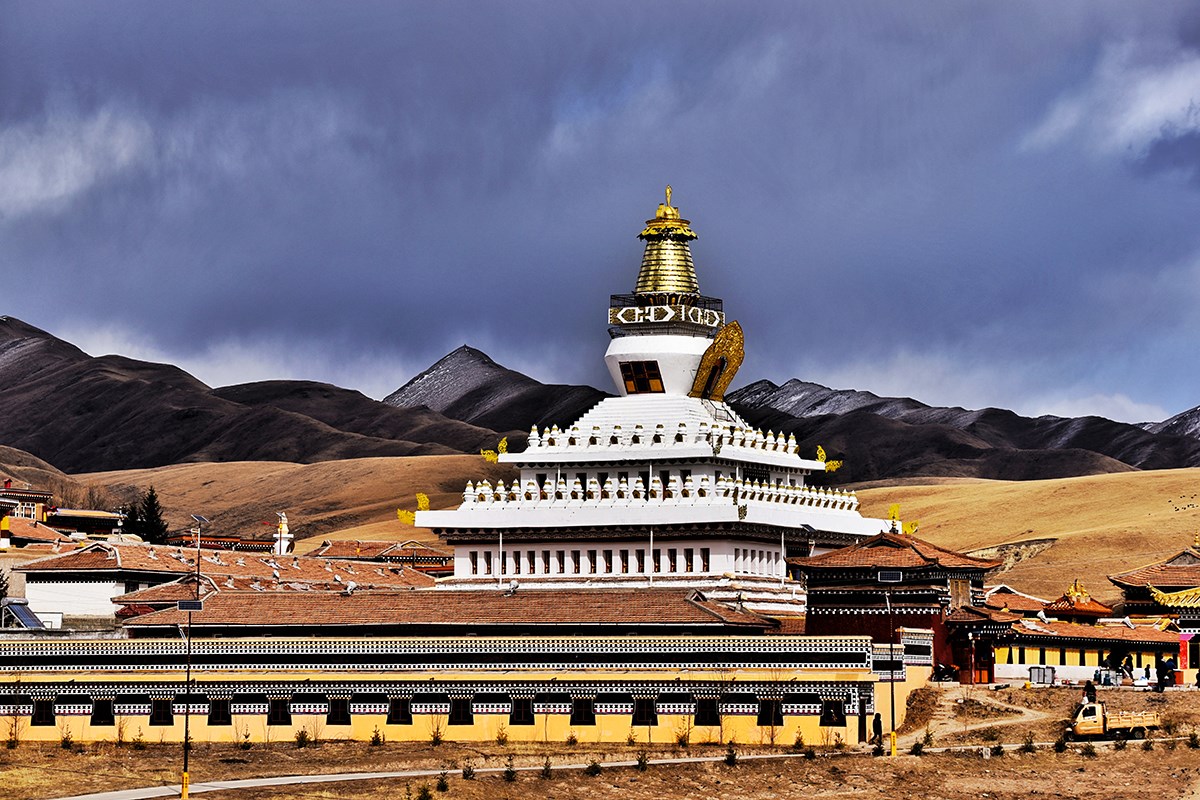
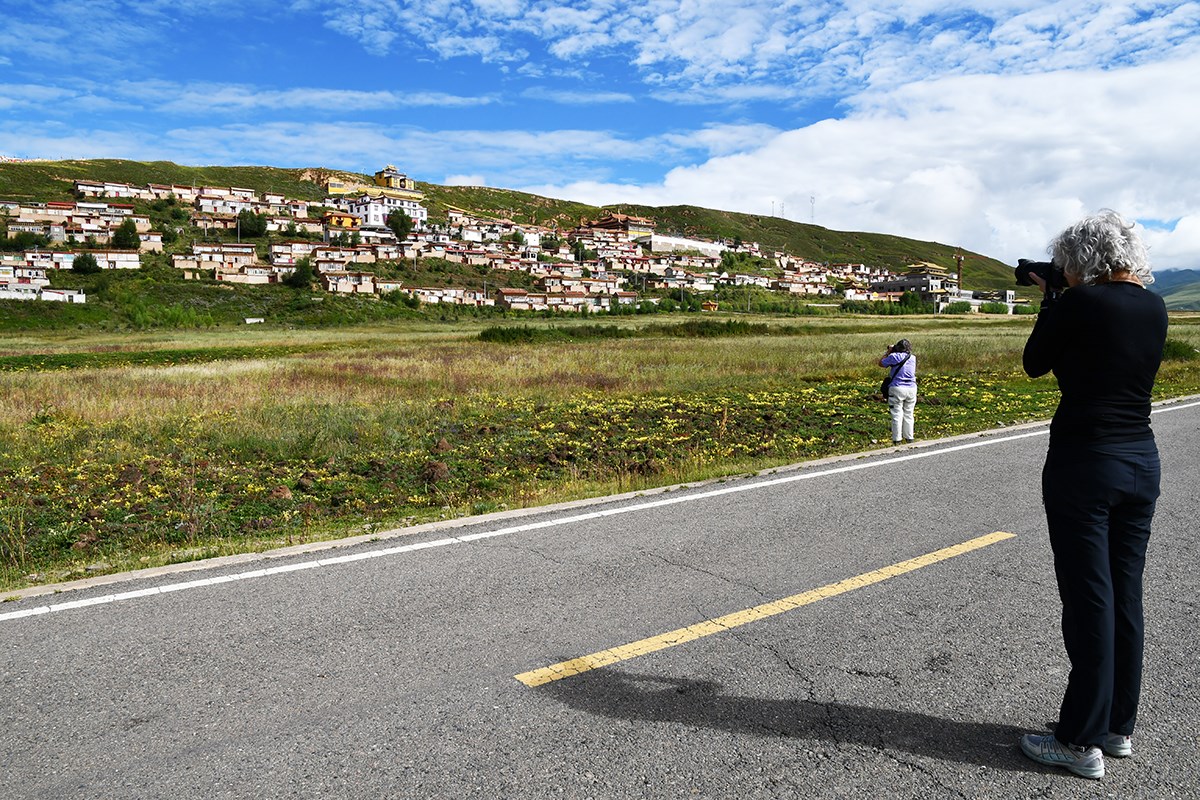
Photography by Liu Bin · Greatway field archive
Dates & enquiry
Private departures on your dates, roughly April to October. Tell us when you're free and how many are riding - our motorbike travel consultant will get back to you within 24 hours.
Free itinerary design · Customized for your group
We've opened your email app with everything filled in - press send there and it's on its way.
Our motorbike travel consultant will reply within 24 hours.
Nothing opened? Copy your enquiry below and send it to hello@chinamotorcycletravel.com.